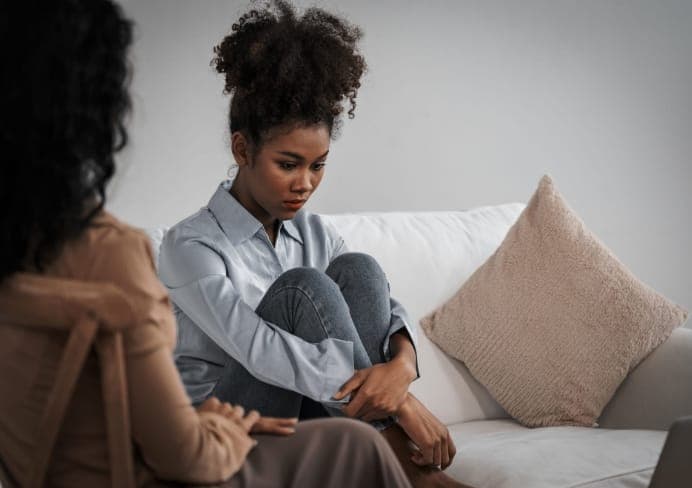
Sexual abuse is a serious form of abuse that involves being forced, pressured or tricked into any kind of sexual activity you do not want, cannot agree to or do not understand. It can involve physical contact, but it can also happen without physical touch, like inappropriate comments, texts or the sharing of explicit images.
It can happen to anyone — boys, girls, children or teens.
Regardless of how it happens or who it happens to, one thing is always true: it is never the victim’s fault!
If it has happened to you or someone you know, it’s important to speak up and get help. You are not alone, and there is support available.
Forms of Sexual Abuse
Sexual abuse can take many forms, including:
- Unwanted, inappropriate touching of your body.
- Being asked or pressured to touch someone else’s body.
- Being forced to do sexual acts you don’t want to do.
- Sexual activity with someone much older or in a position of power.
- Having photos or videos of you taken and/or shared that you don’t want shared.
- Asking or pressuring you to send sexual pictures or messages or engage in sexual activities online.
- Sending you inappropriate comments, images or videos online or through texts.
- Showing explicit content or pressuring you to look at it.
- Making sexual comments or talking about sexual things that make you feel uncomfortable.
How It Might Make You Feel
Sexual abuse can lead to many different emotions. You might feel:
- Confused or scared
- Angry or ashamed
- Like it’s your fault (it’s not!)
- Worried about getting into trouble
- Afraid to tell anyone
These feelings are normal. But it’s important to know that you did nothing wrong, and there are people who care about you and want to help you feel safe again.
Who Can Commit Sexual Abuse? And How Can You Recognise It?
Who can commit sexual abuse? It can be someone you know, like a family member, friend or someone in a position of authority. Other times, it could be a stranger or someone online.
Sometimes, it might happen by someone older than you who is taking advantage of their age or power.
How can I recognise it in myself or others? It's important to know what to look out for. Someone experiencing sexual abuse might:
- Feel uncomfortable, ashamed or scared around someone.
- Change their behaviour, like becoming withdrawn or anxious.
- Show physical signs like bruises or injuries.
- Engage in unexplained secrecy or avoid certain people or places.
The Seriousness of Sexual Abuse
- It’s against the law and considered a serious crime.
- Regardless of who does it or what they do, sexual abuse is not acceptable.
- No one has the right to force you into any sexual activity.
- It’s unlawful for someone to use threats, force or manipulation to make you uncomfortable.
The Effects of Sexual Abuse
Experiencing sexual abuse can be confusing and scary. It might make you feel alone, helpless, sad, anxious or ashamed.
It's normal to have various emotions after such an experience. There's no right or wrong way to feel.
Remember: It's not your fault, and you have the right to protect yourself and get help.
Keeping Yourself Safe
Be careful online. Don’t share personal photos or private information with people you don’t trust. If someone makes you feel uncomfortable online, tell a trusted adult right away.
What You Can Do
Get help as soon as possible. It’s important that you are safe.
Here are some ways that you can get help if you experience sexual abuse:
- Call for Help – If you are in danger, call emergency services (911).
- Talk to Someone You Trust – A family member, teacher, counsellor or doctor can offer support.
- Write it Down – If it's hard to speak about, consider writing a letter or an email and share it with a trusted adult. If you do not get help, talk about it with a trusted adult until you do.
- Seek Medical Help – Especially if you're hurt or worried about your health.
Speaking out about sexual abuse can help stop it! Everyone deserves to feel safe, and you don't have to face this alone — reach out for support.
Remember — it is never your fault, and you are not alone.
You Deserve To Feel Safe
No matter what anyone tries to tell you, you have the right to say no to anything that makes you feel uncomfortable, unsafe or confused — even if this is happening with someone you know or care about. If a family member, teacher or friend has crossed a boundary that has made you feel uncomfortable or unsafe, you may feel like you don’t know who to trust. Remember: there are people and professionals who want to help you. Know that your body belongs to you, and no one should ever pressure you to do anything sexual. No one!
Talking about sexual abuse can feel scary or embarrassing. You might feel like you’ll be blamed and you might feel ashamed, but staying silent can make the pain last longer. Reaching out is a brave and important step!