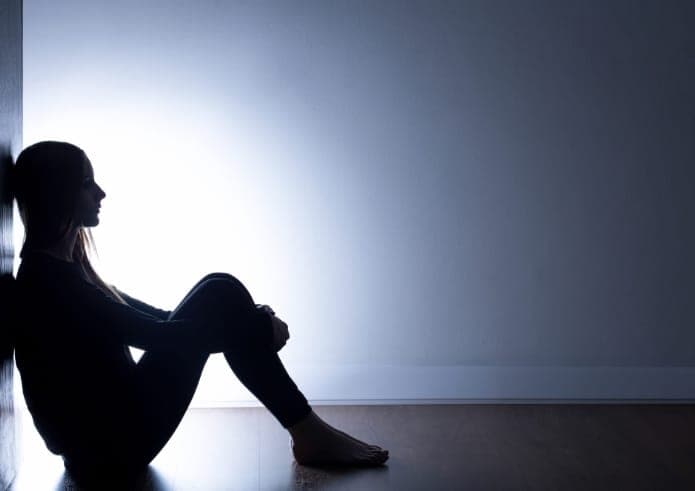
Experiencing worry and anxiety is a common part of adolescence. As you navigate new challenges and responsibilities, it's natural to feel uneasy or stressed at times; however, when these feelings become overwhelming or persistent, they can interfere with daily life and well-being.
What Is Anxiety?
Worry typically involves concerns about potential problems or uncertainties, often focusing on "what if" scenarios. It's a natural response to situations where the outcome is unknown.
Anxiety, on the other hand, is a heightened state of unease or fear that can manifest physically and emotionally. While occasional anxiety is a normal reaction to stress, persistent or intense anxiety may indicate an anxiety disorder.
Common Types of Anxiety Disorders
Understanding different forms of anxiety can help in recognising and addressing them:
Generalised anxiety disorder (GAD): Worrying about everyday matters like school, relationships or health is normal, but if you find that you’re over-worrying and can’t control it, you may have GAD. Other symptoms can include restlessness, tiredness, trouble concentrating, or sleeping. — Kids Help Phone
Social phobia (social anxiety disorder): This is intense fear of social situations, especially where you feel you might be judged (like a classroom or a party). If you find yourself avoiding social situations because of that fear, you may have social anxiety disorder. — Kids Help Phone
Separation anxiety: If being away from home or loved ones makes you extremely afraid or dread going to school/activities, you may have separation anxiety. Though more common in younger children, teens can feel it too. — Kids Help Phone
Recognising the Signs
Anxiety can manifest in various ways, including:
- Physical symptoms: Increased heart rate, muscle tension, dizziness, sweating, and stomach aches.
- Emotional symptoms: Feelings of dread, restlessness, irritability, or being on edge.
- Behavioural symptoms: Avoidance of feared situations, difficulty concentrating, and withdrawal from social activities.
Coping Strategies
Managing anxiety involves developing healthy coping mechanisms. Here are some that many people find helpful:
- Positive self-talk: Challenge negative thoughts by reminding yourself of your strengths and past successes. Encourage yourself with affirmations like, "I can handle this."
- Deep-breathing exercises: Practice slow, deep breaths to calm your nervous system. Inhale deeply for a count of three, hold briefly, and exhale slowly for a count of three. Repeat several times until you feel more relaxed.
- Gradual exposure: Facing your fears (slowly and within your comfort zones) can reduce anxiety over time. Start with less intimidating scenarios before moving on to more challenging ones. Make sure you have support around you when trying to face these fears.
- Engage in enjoyable activities: Participate in hobbies or activities that bring you joy and relaxation, such as sports, music, or art. This can serve as a distraction from anxious thoughts and improve your overall mood.
- Seek support: Talking to someone you trust—like a friend, family member, or school counsellor—can provide relief and new perspectives. Remember, reaching out is a sign of strength.
When To Seek Professional Help
If anxiety is significantly impacting your daily life, academic performance or relationships, it may be time to consult a mental health professional. They can offer tailored strategies and support to help you manage anxiety effectively.
Remember:
You're not alone in experiencing worry and anxiety. Everyone feels anxious or worried from time to time: it’s the body’s way of helping us stay alert when something feels unsafe or stressful.
But when that worry sticks around too much or feels too big to handle, it can start to affect your daily life.
Though many adolescents experience similar feelings and challenges, support is available to help them manage it.
By understanding your feelings and implementing coping strategies, you can navigate this period with resilience and confidence.
| Signs You Might Be Anxious | Anxiety can affect your body, thoughts, and feelings all at once. | |
|---|---|---|
| In your body: | In your thoughts: | In your feelings: |
| • Butterflies in your stomach | • Worrying about what might go wrong | • Feeling nervous, scared or overwhelmed |
| • Racing heart or shortness of breath | • Overthinking things again and again | • Avoiding people or places that make you anxious |
| • Sweating or shaky hands | • Having trouble focusing or paying attention | • Feeling stuck or unable to relax |
| • Trouble sleeping | • Thinking negative thoughts about yourself | |
| • Feeling restless or tense | ||
| Why You’re Feeling This Way | What You Can Do About It | |
|---|---|---|
| Sometimes, anxiety is caused by things like: | You can’t always make anxiety go away completely, but there are ways to manage it so that it doesn’t control your life. Here are some things that can help: | |
| • School pressure or exams | • Talk to someone you trust. A parent, friend, teacher or counsellor can listen and help. | |
| • Problems with friends or family | • Try calming activities. Breathing deeply, going for a walk, drawing or journaling are all great examples of activities that might calm you down. | |
| • Big changes, like moving houses or switching schools | • Use grounding techniques. Focus on the things around you, like what you can see, hear and feel. | |
| • Experiencing bullying or feeling unsafe | • Stay active. Exercise can help your body and mind feel better. | |
| • Not feeling good enough | • Be kind to yourself. It’s OK to feel anxious. You’re doing your best. | |
| But other times, anxiety can show up without a clear reason, and that’s OK too. | ||